


-

Add: HeBei ShengShi HongBang Cellulose Technology CO.,LTD.
-

Email
13180486930@163.com -

CONTACT US
+86 13180486930

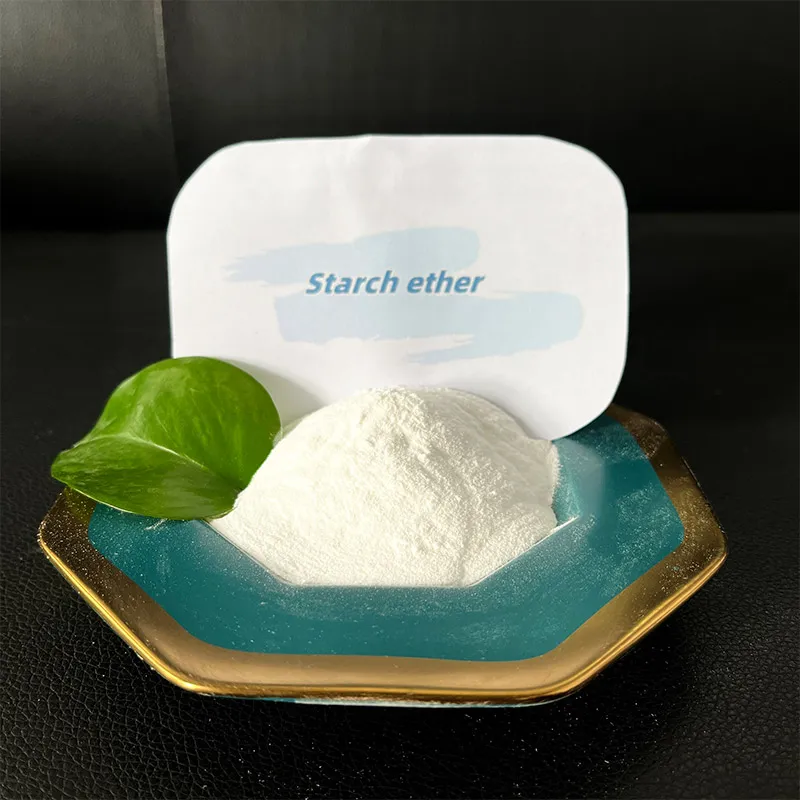

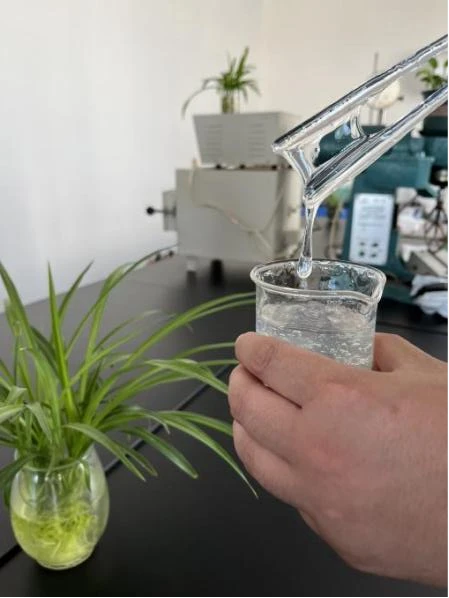


L’idrossipropilmetilcellulosa (HPMC), con il suo grado specifico E5, ha attirato l'attenzione di molti settori, grazie alle sue proprietà uniche, in particolare in ambito farmaceutico e alimentare. La solubilità dell'HPMC E5 in acqua è un tema essenziale per esperti e produttori che cercano di sfruttare appieno il suo potenziale. L'HPMC E5 è noto per la sua eccellente capacità di formare gel e per la sua solubilità variabile che dipende dalla temperatura dell'acqua . A temperature ambiente, l'HPMC E5 si scioglie facilmente, creando una soluzione viscosa. L'aumento della temperatura può influenzare notevolmente la sua solubilità, dato che l'HPMC tende a precipitare se esposto a temperature troppo alte. Questo comportamento unico è sfruttato nei processi industriali per controllare la consistenza e la stabilità delle formulazioni. Gli esperti nel campo dei polimeri riconoscono l'importanza di comprendere le caratteristiche termiche dell'HPMC. Test sperimentali e studi empirici hanno contribuito a delineare un quadro dettagliato della sua solubilità. È stato osservato che, in generale, a temperature inferiori ai 40°C, l'HPMC E5 si dissolve efficientemente, rendendolo ideale per applicazioni che richiedono soluzioni chiare e stabili. Questo suo comportamento è particolarmente apprezzato nell'industria farmaceutica per la produzione di capsule e compresse, dove è fondamentale garantire una dissoluzione coerente e controllata dei principi attivi. La preparazione corretta della soluzione di HPMC E5 è di cruciale importanza per garantire la qualità del prodotto finale. Gli esperti consigliano di aggiungere l'HPMC all'acqua sotto agitazione continua per prevenire la formazione di grumi, seguita da un graduale aumento della temperatura per accelerare la dissoluzione senza superare il punto di intorbidimento. Questa tecnica non solo ottimizza la solubilità, ma mantiene anche l'integrità della soluzione, assicurando così stabilità durante l'intero ciclo di produzione. Nonostante la sua solubilità in acqua, l'HPMC E5 si distingue per la sua stabilità chimica e il suo comportamento inerte, che garantiscono la sicurezza del prodotto in diverse condizioni ambientali e pH. Questo è particolarmente vantaggioso nel settore alimentare per migliorare la consistenza e conservare i nutrienti senza influire sul sapore o sull'aroma. hpmc e5 solubilità in acqua Inoltre, è importante notare che la solubilità dell'HPMC E5 non è influenzata solo dalla temperatura, ma anche dalla qualità dell'acqua. Minerali disciolti e impurità possono alterare la formazione del gel, per cui si raccomanda l'uso di acqua demineralizzata o distillata per ottenere i risultati migliori. Grazie alla sua versatilità e affidabilità, l'HPMC E5 si è affermato come un componente essenziale nei processi di produzione dove la solubilità è una preoccupazione primaria. Le proprietà intrinseche del polimero, combinate con una comprensione approfondita delle condizioni operative ideali, permettono di sviluppare prodotti innovativi e sostenibili che soddisfano gli standard di qualità richiesti dall’industria moderna. Ogni applicazione può richiedere un approccio leggermente diverso per sfruttare necessariamente la solubilità dell'HPMC E5. Fare uso di macchinari avanzati e adottare procedure di controllo qualità migliorano ulteriormente la precisione e l'efficacia dell'uso di questo polimero. Tali pratiche rafforzano non solo la fiducia dei consumatori nei prodotti finiti, ma elevano anche l'intero settore attraverso il rispetto del massimo rigore scientifico e tecnico. In conclusione, la comprensione accurata della solubilità dell'HPMC E5 non è solo un vantaggio tecnologico, ma una necessità per le industrie che cercano di dominare mercati competitivi attraverso l'innovazione e la qualità garantita.
- 40000tons

Production
- 20+years

Experience
- 5000+㎡

Acreage

-
Гидроксипропилметилцеллюлоза (HPMC) E15 представляет собой важный компонент, широко используемый в фармацевтической и пищевой промышленности для различных приложений. С его уникальными физико-химическими свойствами HPMC E15 находит применение в качестве пленкообразователя, загустителя и стабилизатора. Но, пожалуй, самым важным аспектом для его использования является молекулярная масса, которая напрямую влияет на его функциональность. Молекулярная масса HPMC E15 составляет примерно 10 ,000 - 150,000 дальтон. Этот диапазон позволяет веществу обладать такими характеристиками, как высокая стабильность, способность образовывать пленки и отличные связывающие свойства. Однако вариативность в молекулярной массе может повлиять на растворимость и вязкость, что важно учитывать при производстве продуктов питания и лекарств. Реальный опыт специалистов подтверждает, что HPMC E15 особенно полезен в производстве пленок, применяемых в фармацевтических таблетках. За счет своей уникальной структуры, он обеспечивает контроль за скоростью растворения активных ингредиентов. Это критически важно для производителей, стремящихся соблюдать точные фармакокинетические профили своих препаратов. Так, использование HPMC E15 способствует равномерному распределению пленки, улучшая потребительские свойства продукта. Профессиональные исследования показывают, что HPMC E15 также широко применяется в пищевой индустрии, особенно в сфере производства безглютеновой продукции. Обладая высокой водоудерживающей способностью, он помогает улучшить текстуру и длительность сохранения свежести выпечки. Эти свойства объясняются уникальной молекулярной структурой HPMC E15, что делает его незаменимым для производства хлебопекарных изделий, которые не содержат традиционной пшеничной клейковины. hpmc e15 молекулярный вес Опытные технологи и научные сотрудники отмечают безопасность и эффективность HPMC E15, подтвержденные многочисленными исследованиями и сертификациями по всему миру. Благодаря его натуральному происхождению и высокой биосовместимости, он получил одобрение от различных организаций здравоохранения и пищевых стандартов. Это способствует высокой степени доверия к этому компоненту со стороны производителей и конечных потребителей. Что касается авторитетности и доверия, многие крупные производители в фармацевтической и пищевой индустрии выбирают именно HPMC E15, доверяя его качеству и стабильности. Это обусловлено тем, что контролируемая молекулярная масса позволяет досконально регулирует характеристики конечного продукта. Например, в таблетках именно HPMC E15 обеспечивает равномерное высвобождение активных ингредиентов, что критически важно для достижения потребляемого эффекта лекарства. Подводя итог, благодаря своей контролируемой молекулярной массе, HPMC E15 остается важным и незаменимым компонентом в различных сферах промышленного производства. Его уникальные физико-химические свойства обеспечивают высокую степень стабильности и эффективности в применении. Это делает его выбором номер один для тех, кто стремится к качеству и надежности в производстве своей продукции. HPMC E15 обладает значительным потенциалом для дальнейшего раскрытия новых возможностей и улучшений в технологий производства, что несомненно делает его важным игроком на рынке полимерных компонентов.
-
HPMC eye ointment has emerged as a revolutionary product in the realm of optical care, offering relief and protection for a variety of eye conditions. As an experienced SEO specialist, I am committed to shedding light on the unique aspects of this product that make it indispensable for those seeking ocular comfort and health. HPMC, short for Hydroxypropyl Methylcellulose, is the primary active ingredient in this eye ointment . Its exceptional properties as a viscoelastic polymer make it an ideal candidate for eye care formulations. HPMC excels in moisture retention and provides a protective barrier on the eye's surface, mimicking natural tears. This is crucial for individuals experiencing dry eyes, a condition that often results from prolonged screen time, environmental factors, or age-related changes. Exploring the expertise behind HPMC eye ointment, one discovers its formulation is the result of extensive research in biocompatible materials. The ophthalmic community recognizes HPMC for its non-irritating and non-reactive nature, making it suitable for sensitive eyes. It serves as a soothing layer, easing discomfort and reducing friction against eyelids, especially vital for contact lens wearers or those recovering from ocular procedures. From an authoritativeness perspective, this eye ointment’s efficacy is backed by numerous clinical studies and endorsements from leading eye care professionals. Its utilization in treating conditions such as keratoconjunctivitis sicca—a severe form of dry eyes—is well-documented. These expert endorsements are crucial for establishing the product's credibility and ensuring patients feel secure in their choice of treatment. Consumer trust in HPMC eye ointment is further bolstered by its proven track record. Users report significant improvements in eye hydration levels and comfort, often within a short period of consistent use. The ointment's ability to reduce symptoms such as itching, burning, and the sensation of having a foreign body in the eye underscores its effectiveness. Moreover, its gentle formulation means it is safe for long-term use, addressing the root causes of dryness rather than merely providing temporary relief. hpmc eye ointment The science behind HPMC’s function is both fascinating and rigorous, reflecting a perfect confluence of chemistry and biology. When applied, the ointment forms a lubricating film over the cornea, promoting epithelial healing and offering a defense against environmental irritants and pathogens. This barrier not only moisturizes but also protects, reducing the risk of secondary infections—a common concern for those with compromised tear production. In the competitive market of eye care products, HPMC eye ointment stands out due to its precision-engineered formula tailored to mimic and supplement the eye's natural defense mechanisms. Its role as an adjunct therapy in managing dry eye syndrome represents an evolution in eye care solutions focused on long-term health rather than transient comfort. For prospective users eager to regain ocular health and comfort, selecting an HPMC eye ointment symbolizes choosing innovation grounded in scientific expertise and a legacy of professional endorsements. Transparency in its development and application underscores its trustworthiness, ensuring that users can confidently incorporate it into their daily care regimen. This ointment serves as both a preventive and therapeutic tool in managing ocular surface disorders, embodying the intersection of cutting-edge science with everyday practicality. Through ongoing innovations and research, the formulation continues to evolve, promising even more refined results in the future. In conclusion, HPMC eye ointment exemplifies a paradigm shift in personalized eye care, providing a robust, reliable option for those seeking to soothe and protect their eyes. Its combination of experience-driven expertise, authoritative endorsements, and unwavering trustworthiness positions it as a leading choice in the eye care industry, promising relief and rejuvenation with every application.
advantages
-

200000 Viscosities
Excellent product
We can produce pure products up to 200,000 viscosities
-

40000 tons
High yield
We don’t stop production all year round, and the annual output can reach 40,000 tons
-

24 hours
Quality service
We provide 24-hours online reception service, welcome to consult at any time
———— Inquiry Form
Schedule A services

-
 serat_polipropilen_untuk_beton
Oct . 25, 2025
Hydroxypropyl methylcellulose (HPMC) is a versatile polymer widely used in the pharmaceutical, food, -
 hydroxypropylmethylcellulose_supplier
Oct . 25, 2025
Hydroxypropyl Methyl Cellulose (HPMC) has emerged as a versatile material in various industries, off -
 hydroxypropyl_methyl_cellulose_uses
Oct . 25, 2025
Rubber powder, an increasingly significant material in various industrial applications, exhibits uni


